

Key Takeaways
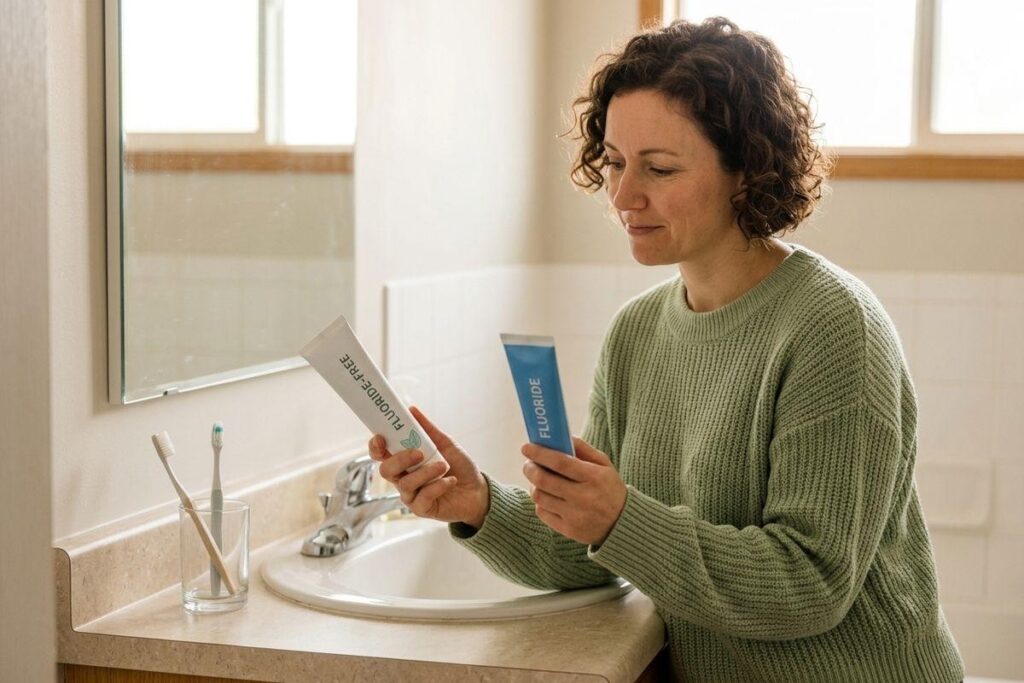
- Fluoride-free toothpaste can clean teeth, but most formulas lack fluoride’s proven cavity protection.
- Fluoride slows enamel breakdown and helps rebuild weak early-stage spots.
- Fluoride is safe at normal brushing amounts when you use the right portion for each age.
- Hydroxyapatite is promising, but evidence for fluoride-free alternatives is less established than for fluoride.
- Daily flossing, gentle brushing, and regular cleanings support stronger teeth.
What Fluoride-Free Toothpaste Can and Can’t Do
In the toothpaste aisle, it is easy to assume that every tube offers the same protection. The registered dental hygienists at Floss Bosses hear this question often, especially from people comparing products as part of their preventive dental care.
Fluoride-free toothpaste can remove plaque and freshen breath, but most formulas do not provide the same proven cavity protection as fluoride toothpaste.
The scrubbing action of brushing still does plenty of work. A fluoride-free paste lifts away the soft film of plaque, sweeps off food bits, and reduces the bacteria that cause morning breath. Your teeth can feel smooth and clean afterward.
The difference is cavity prevention. Fluoride has a well-established role in making enamel more resistant to acid and helping reverse the earliest stages of mineral loss. A fluoride-free label does not automatically mean a product offers equivalent protection.
How Fluoride Protects Your Teeth
Every time you eat or drink something sweet, acids form and pull minerals out of your enamel. Fluoride steps in to slow that breakdown and help your enamel hold onto its minerals.
It can also rebuild weak early-stage spots. When a soft area first appears, fluoride helps draw calcium and phosphate back in before the spot turns into a full cavity. Think of it as patching a thin spot before it becomes a hole.
Fluoride can also affect how plaque bacteria produce acid. Its well-established cavity-prevention benefit is why Canadian and international oral health organizations continue to recommend fluoride toothpaste.
Why Some People Choose Fluoride-Free Toothpaste
People choose fluoride-free toothpaste for different reasons, including personal preference, ingredient concerns, or worries about a young child swallowing toothpaste.
Those concerns deserve a respectful, evidence-based conversation. A registered dental hygienist can review your home-care routine and cavity-risk indicators. When diagnosis or treatment falls outside dental hygiene scope, Floss Bosses refers patients to a general dentist or specialist.
Is Fluoride Safe to Use?
Used as directed, fluoride toothpaste is considered safe and effective for preventing tooth decay. The amount matters most for young children, who are more likely to swallow toothpaste.
Repeatedly swallowing more fluoride than recommended while permanent teeth are developing can contribute to dental fluorosis. Mild fluorosis usually appears as faint white lines or specks and is mainly cosmetic.
A simple habit keeps things safe. Store tubes out of reach of young kids so brushing stays a supervised part of the day rather than a snack.
How Much Fluoride Toothpaste Should Children Use?
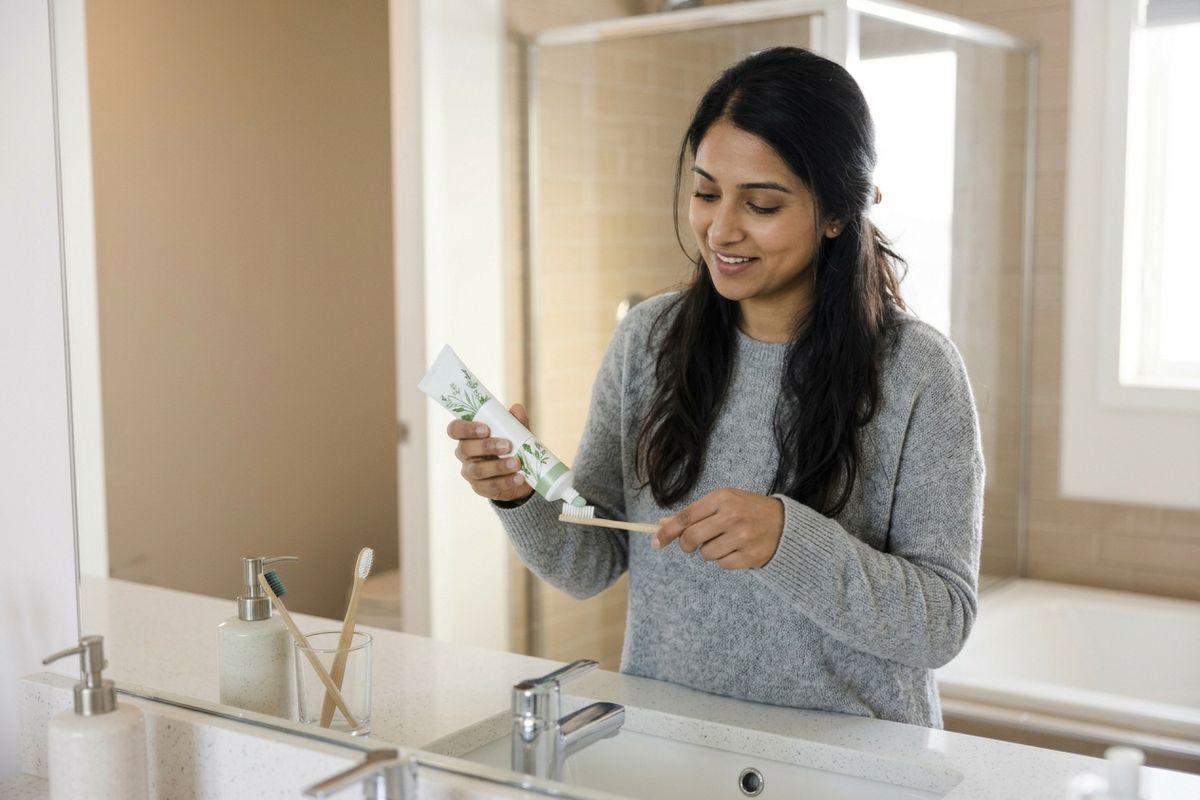
The right amount changes as your child grows. Getting the portion right keeps the benefit without the excess.
- For children under three, ask an oral health professional about cavity risk. If fluoride toothpaste is recommended, an adult should use a rice-grain-sized smear.
- For children ages three to six, use a pea-sized amount and have an adult assist with brushing.
- Brush twice daily, morning and night, for every age.
Once kids learn to spit reliably, brushing becomes easier to manage on their own.
What About Fluoride-Free Alternatives?
Hydroxyapatite toothpaste is a fluoride-free option being studied for enamel remineralization. Results are promising, but studies vary and the evidence base is still less established than it is for fluoride toothpaste.
Calcium phosphates work in a similar way by feeding minerals back to your teeth. Xylitol, a natural sweetener, can reduce the bacteria that fuel decay and may freshen breath at the same time.
Charcoal toothpastes deserve extra scrutiny. Their abrasivity varies widely, evidence for whitening benefits is limited, and many do not contain fluoride. Check the ingredient list and ask a dental hygienist whether a product fits your needs.
Smart Habits for Stronger Teeth
Toothpaste is only one piece of the puzzle. The way you care for your mouth each day carries just as much weight, whether or not you choose fluoride.
Floss once a day to reach the spots a brush misses, and cut back on sugary snacks and drinks that feed acid-loving bacteria. Brush gently with the right amount of paste, since hard scrubbing can irritate gums without cleaning any better.
- Floss daily and limit sugary foods and drinks.
- Brush gently twice a day with the proper portion of paste.
- Book regular cleanings to catch trouble early.
Regular hygiene visits round out the routine. A registered dental hygienist can assess your gum and biofilm health, review preventive habits, and flag findings that should be evaluated by a dentist.
Floss Bosses is an independent dental hygiene practice in Edmonton focused on prevention, education, and comfortable care. Book an exam and cleaning with our dental hygiene team to review your home-care routine and choose products that suit your needs. If you require care outside dental hygiene scope, our team can help coordinate a referral to a general dentist or specialist.
