

You brush your teeth and use mouthwash, but that unpleasant taste and odour keep coming back. Bad breath, also called halitosis, affects many people, and it often stems from bacteria in your mouth that produce foul-smelling compounds. While many factors contribute to halitosis, tooth decay can be a significant culprit.
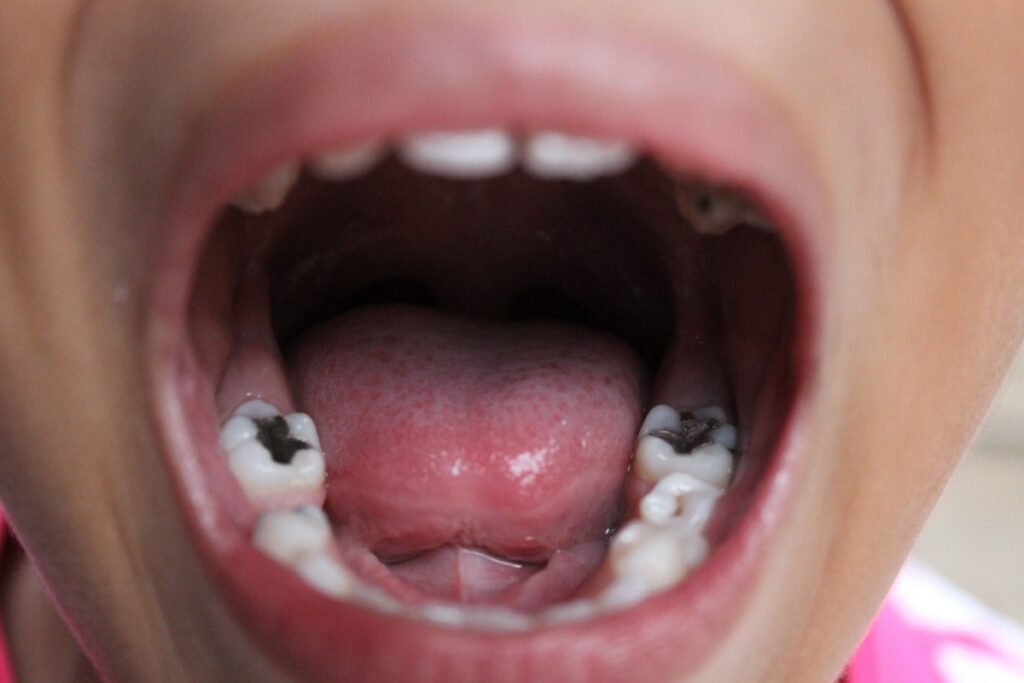
Tooth decay can cause bad breath by creating spaces where odour-producing bacteria thrive and food particles get trapped and decompose. When cavities form, they become perfect hiding spots for harmful bacteria that release volatile sulphur compounds, the same chemicals that give rotten eggs their distinctive smell.
At Floss Bosses, our dental hygienists regularly help patients understand the connections between regular dental cleanings and fresh breath.
What Tooth Decay Is & How It Develops
Tooth decay happens when acid-producing bacteria eat away at your tooth enamel, creating small holes or cavities. When you eat sugary or starchy foods, these bacteria feast, producing acids that slowly dissolve your tooth’s protective outer layer. As bacteria break down food particles and dead tissue, they release gases that smell like rotten eggs or sulphur.
The early stages of decay often cause no pain, which means you might not notice the problem until it becomes more serious.
How Hygienists Can Help
Hygienists play a key role in detecting early warning signs of cavities and tooth decay during your regular cleaning appointments. Hygienists can spot areas where decay might be starting and can refer you to a dentist for treatment before the problem affects your breath or overall oral health.
Other Common Causes Hygienists Identify
Gum disease is another cause of bad breath. Inflamed gums also harbour bacteria that produce strong odours, especially in the deep pockets that form around infected teeth.
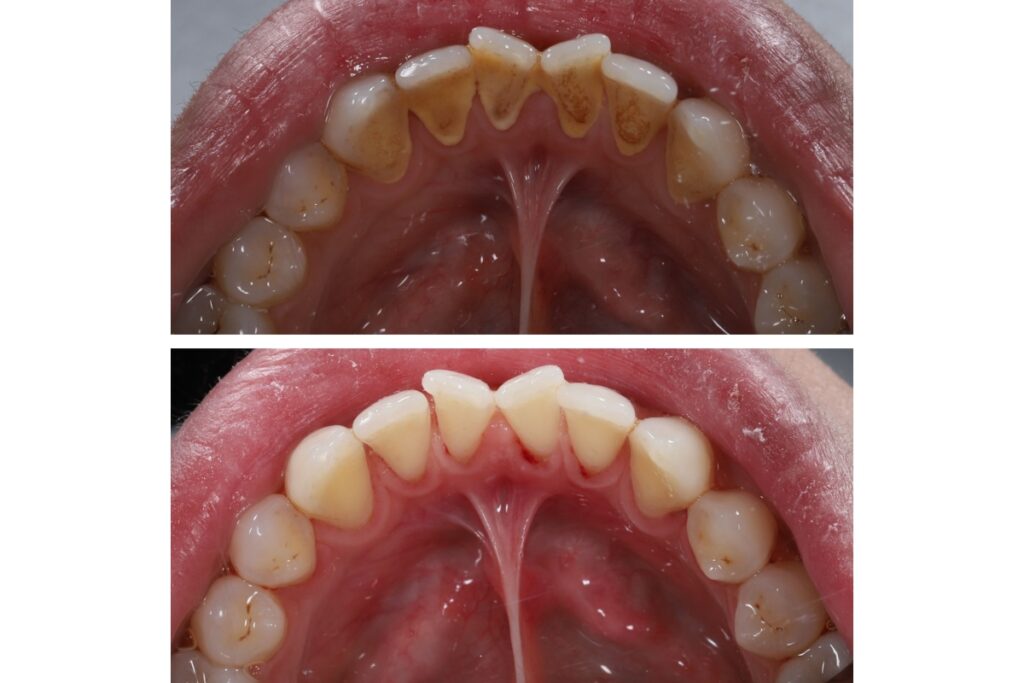
Dry mouth creates an environment where odour-causing bacteria flourish. This is because saliva helps wash away food particles and neutralize acids. Plaque, tartar, and biofilm buildup provide additional surfaces where bacteria can multiply and produce foul-smelling compounds.
Other causes of plaque buildup include restorations like old fillings or crowns that create spaces where bacteria accumulate.
When our team spots these kinds of issues, we can refer you to a dentist who can address the underlying problems.
Warning Signs That Bad Breath Is Connected to Decay
Symptoms that bad breath might be caused by decay include:
- A persistent bad taste in your mouth that doesn’t go away after brushing
- Food frequently gets stuck in the same spots
- You feel sharp sensitivity when eating sweet foods or drinking hot or cold beverages.
Visible pits, dark spots, or rough areas on your teeth suggest that decay has progressed beyond the early stages. You might also notice that certain areas of your mouth produce stronger odours, especially after eating or when you wake up in the morning.
How Hygienists Help Find the Root Cause
During your hygiene exam, your hygienist will check your gums, measure plaque levels, and examine areas where cavities commonly develop. They’ll also assess your tongue coating, ask about dry mouth symptoms, and look for signs of inflammation that might contribute to bad breath.
Your team will identify any specific areas that need a dentist’s attention while providing immediate care for issues within their scope of practice.
Hygienists also evaluate your current oral care routine and identify factors like medication side effects or dietary habits that might contribute to decay and bad breath. Saliva testing services can help identify harmful bacteria levels in your mouth.
Treatment Options Available at Hygiene Clinics
Professional cleaning removes biofilm, plaque, and tartar that contribute to bad breath and create conditions for decay to develop. Fluoride treatments and remineralization therapy can help strengthen weakened enamel and reverse very early stages of decay.
Hygienists also provide personalized coaching on brushing techniques, flossing methods, and tongue cleaning to help you remove bacteria and food particles more effectively at home. Your team will recommend specific products like antimicrobial rinses or particular toothpastes based on your individual needs.
When active decay is present, hygienists refer you to a dentist for fillings or other restorative treatments while continuing to support your overall oral hygiene and prevention goals.
Prevention Strategies That Work
Daily brushing with fluoride toothpaste and thorough flossing helps slow or prevent decay and bad breath. Professional hygiene cleanings every 6 to 9 months help eliminate buildup that your home care routine can’t reach.
Drinking plenty of water throughout the day stimulates saliva production, which naturally rinses away bacteria and neutralizes acids. Reducing sugary foods and drinks limits the fuel that decay-causing bacteria need to thrive.
Cleaning your tongue daily prevents odour-producing bacteria from accumulating. Sugar-free gum or mints containing xylitol can help stimulate saliva flow and create an environment that’s less friendly to harmful bacteria. Other oral health strategies can also help you maintain fresh breath.
Treating Decay and Bad Breath Begins with Good Oral Care
Dental hygienists serve as your first line of defense in spotting early signs of decay and other issues that affect your breath. Regular preventive care and professional cleanings not only keep your mouth fresh, but also protect your overall oral health.
If you’re dealing with persistent bad breath, concerns about cavities, or simply want a personalized plan to keep your mouth healthy, Floss Bosses dental hygiene clinic in Edmonton can help. Book your appointment today to discover what’s causing your bad breath and get the comfortable, affordable care you deserve.
