

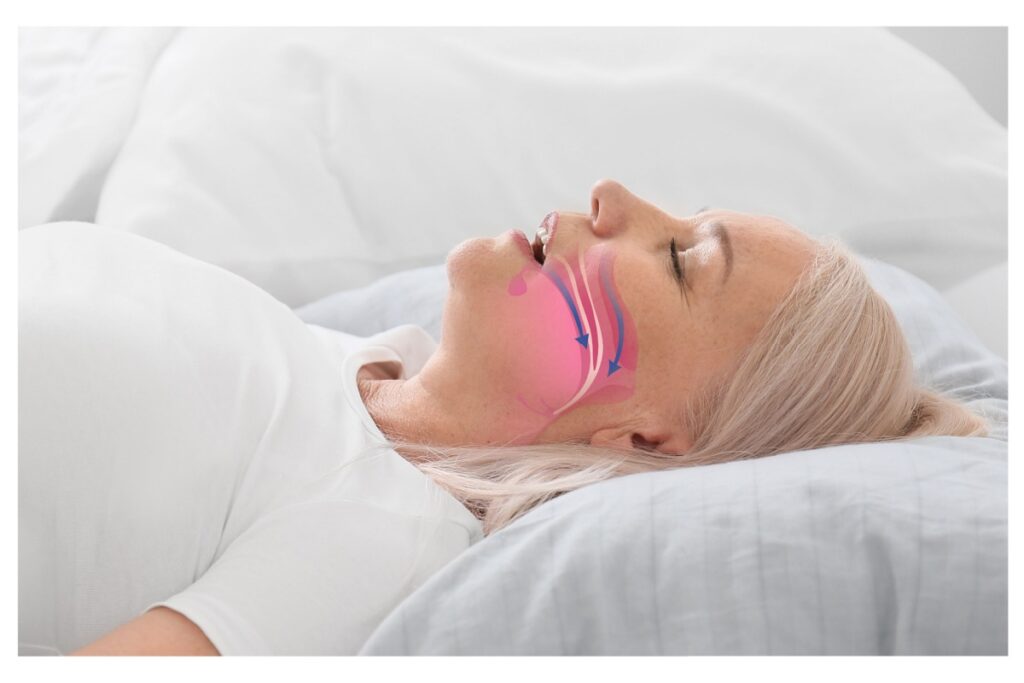
You wake up every morning with a parched mouth, and you’ve noticed your teeth feeling more sensitive lately. If you breathe through your mouth instead of your nose — especially during sleep — you might be setting yourself up for serious dental problems without even knowing it.
Yes, mouth breathing can directly cause both cavities and gum disease by reducing saliva flow, creating an ideal environment for harmful bacteria to thrive and attack your teeth and gums. When you understand this connection, you can take steps to protect your oral health before problems develop. At Floss Bosses, we offer preventive dental hygiene services to help address these concerns.
How Mouth Breathing Affects Your Oral Health
Your mouth works like a carefully balanced ecosystem. When you breathe through your nose, your mouth stays moist and your saliva can do its job protecting your teeth. Mouth breathing disrupts this natural balance in several ways.
The constant airflow dries out your mouth, reducing saliva production significantly. Your saliva normally washes away food particles and neutralizes acids that bacteria produce. Without enough saliva, these harmful substances stick around much longer than they should.
This dry environment also changes the pH levels in your mouth, making it more acidic. Bacteria love acidic conditions, it lets them multiply faster and produce more of the acids that damage your teeth and irritate your gums.
The Connection Between Mouth Breathing & Cavities
Why Dry Mouth Leads to Tooth Decay
Think of saliva as your mouth’s natural rinse cycle. It contains minerals that help strengthen your tooth enamel and enzymes that break down bacteria. When mouth breathing reduces your saliva flow, you lose this protection.
Bacteria in your mouth feed on sugars and starches from food, producing acid as waste. Normally, saliva dilutes and neutralizes these acids quickly. With less saliva available, acids sit on your teeth longer, slowly dissolving the minerals in your enamel.
Once your enamel weakens, bacteria can penetrate deeper into your tooth structure. This creates conditions for cavities to develop rapidly, sometimes in places where you’ve never had problems before.
Common Cavity Patterns in Mouth Breathers
Mouth breathers often develop cavities in predictable patterns. Your front teeth take the biggest hit because they’re directly in the path of airflow that dries them out most severely.
You might notice multiple cavities appearing within a short time period, even if you’ve maintained your regular brushing routine. This clustering happens because the entire environment in your mouth has changed, not just one or two spots.
How Mouth Breathing Triggers Gum Disease
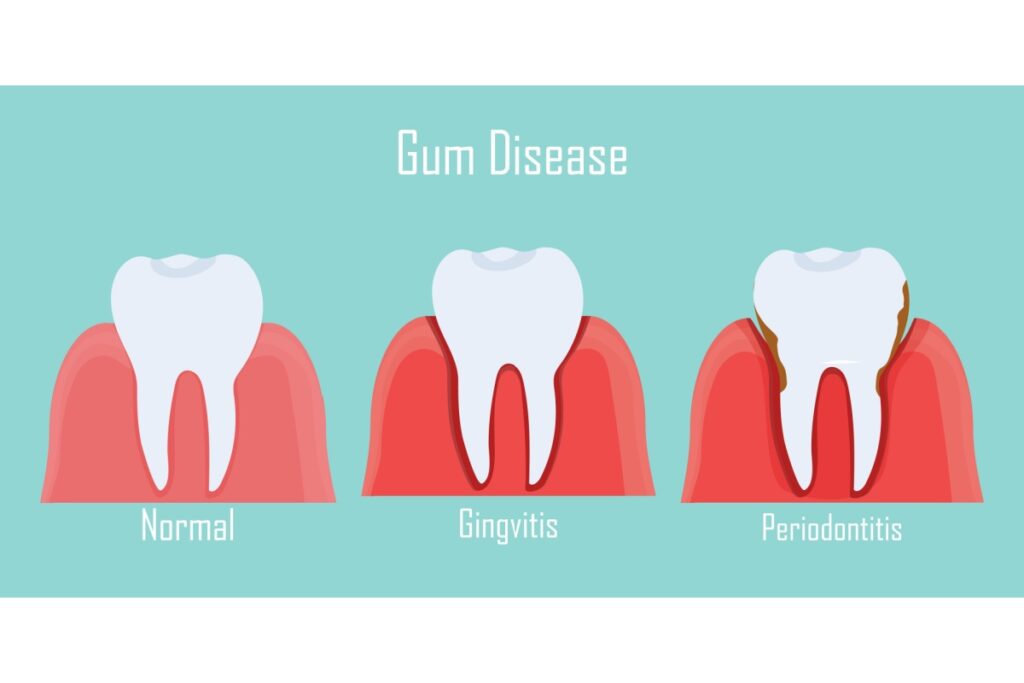
Your gums need moisture to stay healthy, just like your teeth do. When mouth breathing dries out your gum tissue, it becomes irritated and inflamed more easily. You might notice your gums looking redder or feeling tender, especially in the morning.
Dried-out gums also can’t fight off bacteria as effectively. The sticky film of bacteria called biofilm builds up along your gum line, producing toxins that irritate the tissue. Without adequate saliva to wash away this buildup, the irritation gets worse over time.
As inflammation continues, your gum tissue starts to shrink and pull away from your teeth. This creates pockets where more bacteria can hide, leading to more serious gum disease that affects the structures supporting your teeth.
Signs You Might Be a Mouth Breather
Many people don’t realize they breathe through their mouth, especially during sleep. Your body often switches to mouth breathing automatically when your nasal passages feel blocked or restricted.
The most obvious sign is waking up with a dry, sticky feeling in your mouth every morning. You might also notice you’re reaching for water more often during the day because you feel thirsty frequently.
Snoring is another common indicator. When you breathe through your mouth during sleep, the tissues in your throat vibrate more, creating those snoring sounds that might wake up your partner or even yourself.
Solutions to Protect Your Teeth & Gums
Immediate Steps You Can Take
Start by keeping water nearby and sipping it throughout the day. This won’t replace your natural saliva, but it helps rinse away some bacteria and food particles. Focus on taking small, frequent sips rather than large amounts at once.
A humidifier in your bedroom can add moisture to the air you breathe while sleeping. This reduces how much your mouth dries out overnight, giving your saliva production a better chance to keep up.
Practice breathing through your nose during the day when you notice yourself mouth breathing. Simple breathing exercises can help retrain your body to prefer nasal breathing, though this takes time and patience.
Professional Treatment Options in Edmonton
Myofunctional therapy offers a targeted approach to retraining your breathing patterns and tongue posture. This specialized treatment helps your muscles learn new patterns that support nasal breathing and proper oral function.
Oral biofilm therapy targets the bacterial communities that thrive in your dried-out mouth. This treatment removes stubborn biofilm that regular brushing and flossing can’t reach, giving your mouth a fresh start while you work on changing your breathing habits.
Take Control of Your Oral Health at Floss Bosses
Mouth breathing is easy to overlook, but the damage it does to your teeth and gums is real and it adds up over time. The good news is that with the right care, it’s very treatable.
Book an appointment with our friendly team at Floss Bosses and take the first step toward protecting your smile.
